

If you’ve ever had an in-office dermatology treatment—whether a neurotoxin injection or laser resurfacing—you know providers emphasize proper pre- and post-procedure care. Avoiding sweat and staying out of the sun for a set period are essential, but what about your skin-care routine? Before and after any treatment, it’s crucial to stick to gentle products. This is especially important in winter, when dermatologists often see an uptick in professional treatments as cooler weather and less sun make it an ideal time to book procedures.
Ahead, dermatologists and experts break down exactly what to use—and what to avoid—before and after your appointment.
Featured Experts
- Dr. Ben Witkoff is a board-certified dermatologist and Mohs micrographic surgeon in Miami
- Debra Luftman, MD is a board-certified dermatologist in Beverly Hills and Calabasas, CA
- Chelsea Strauser is vice president of buying at Dermstore
What to Look for in Pre-Procedure Skin-Care Products
The key is avoiding potential irritation. Before and after a procedure, you don’t want your skin to be aggravated. “For both pre- and post-procedure skin care, products should avoid provoking or exacerbating inflammation, as excessive inflammation can compromise procedural options and impair healing,” says Miami dermatologist and Mohs micrographic surgeon Dr. Ben Witkoff.
When it comes to pre-procedure care specifically, it’s all about preparing the skin for what comes next. “Use formulations that gently prepare and optimize the skin without causing irritation or inflammatory responses that could restrict the choice or intensity of treatment,” says Dr. Witkoff. Specifically, consider “gentle exfoliants (like low-strength AHAs or PHAs), antioxidants (vitamin C, green tea), barrier-supporting hydrators (hyaluronic acid, glycerin) and broad-spectrum mineral sunscreen at least SPF 30,” says Beverly Hills and Calabasas, CA dermatologist Debra Luftman, MD.
Also remember to “discontinue retinol and prescription retinoids at least one to two weeks before any procedure,” recommends Dr. Witkoff, though your provider should give you exact directions. “Timing for when to resume will depend on the specific treatment.”
What to Look for in Post-Procedure Skin-Care Items
After treatment, the focus shifts even more toward restorative skin care. “The goal is always to support healing, minimize inflammation and protect the skin barrier,” says Dr. Luftman. A smart post-procedure regimen allows for the best experience possible and “is critical to speeding up recovery and yielding the best results from your investment in the treatment,” says Chelsea Strauser, vice president of buying at Dermstore. “Procedure-doers should seek out simple formulas focused on hydration and gentle application. Protecting with sunscreen during the day is crucial as well.”
Post-procedure, there are several ingredients to avoid. Dr. Luftman specifically recommends steering clear of retinoids, high-strength acids, benzoyl peroxide, physical scrubs, cleansing brushes, fragrance, essential oils, menthol, eucalyptus and alcohol-heavy formulations.
Pre-Procedure Skin-Care Product Recommendations
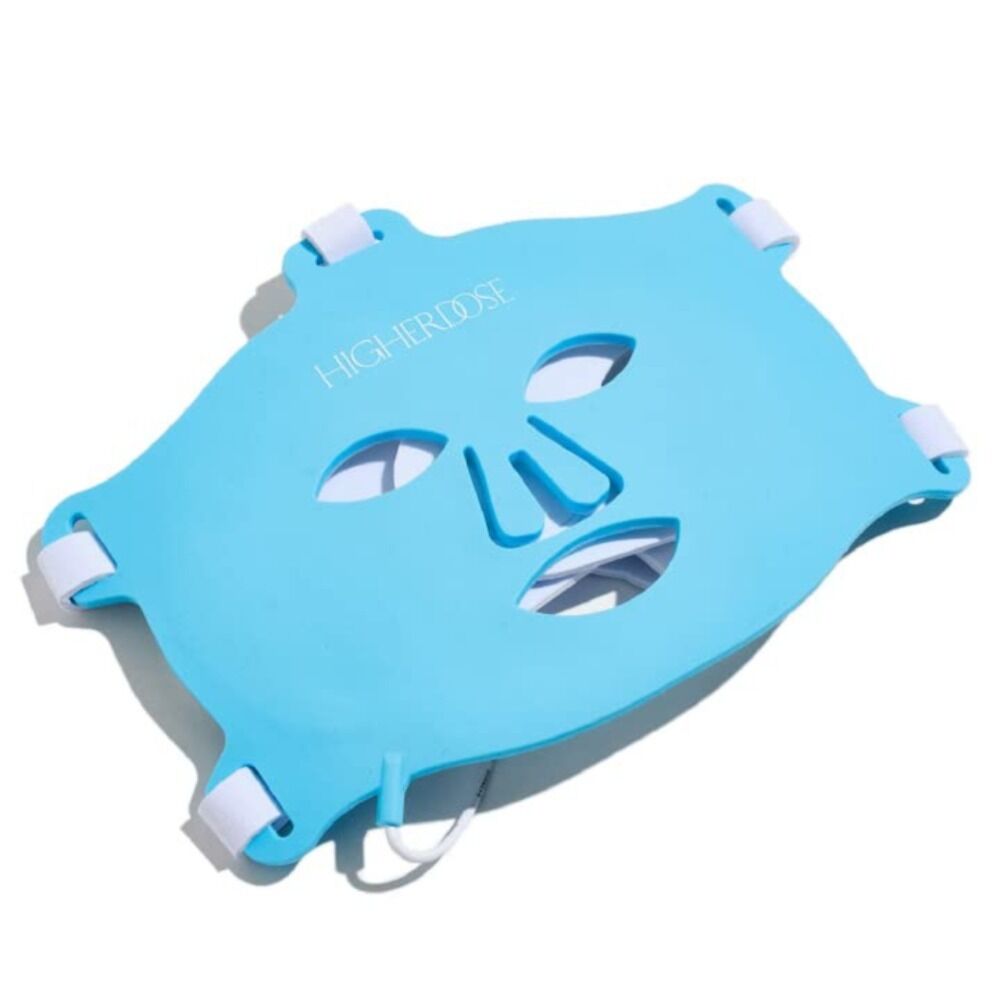
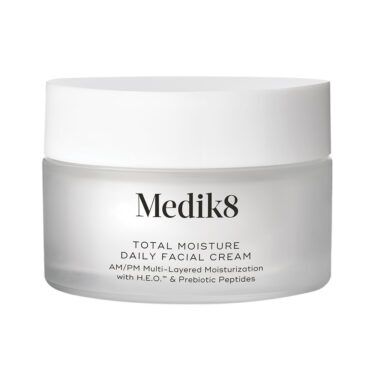
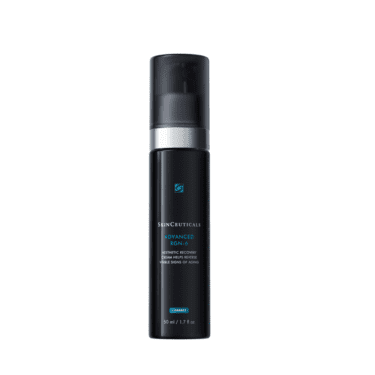
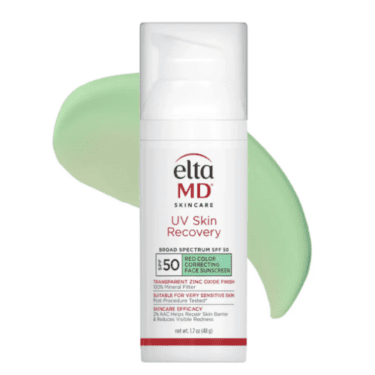
“More than ever, brands are recognizing the need for post-procedure care due to demand and have introduced innovations explicitly meant to optimize in-office results and recovery,” says Strauser. She curated a collection of pre- and post-treatment-friendly products designed to support patients as they prepare for—and recover from—their dermatologist visits. “Many of those listed have clinical trials conducted on patients post-treatment for proof points,” she adds. Check them out below.
/
/
Post-Procedure Skin-Care Product Recommendations
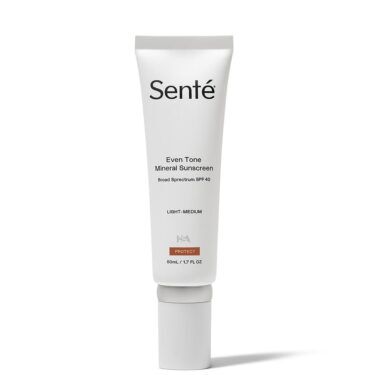
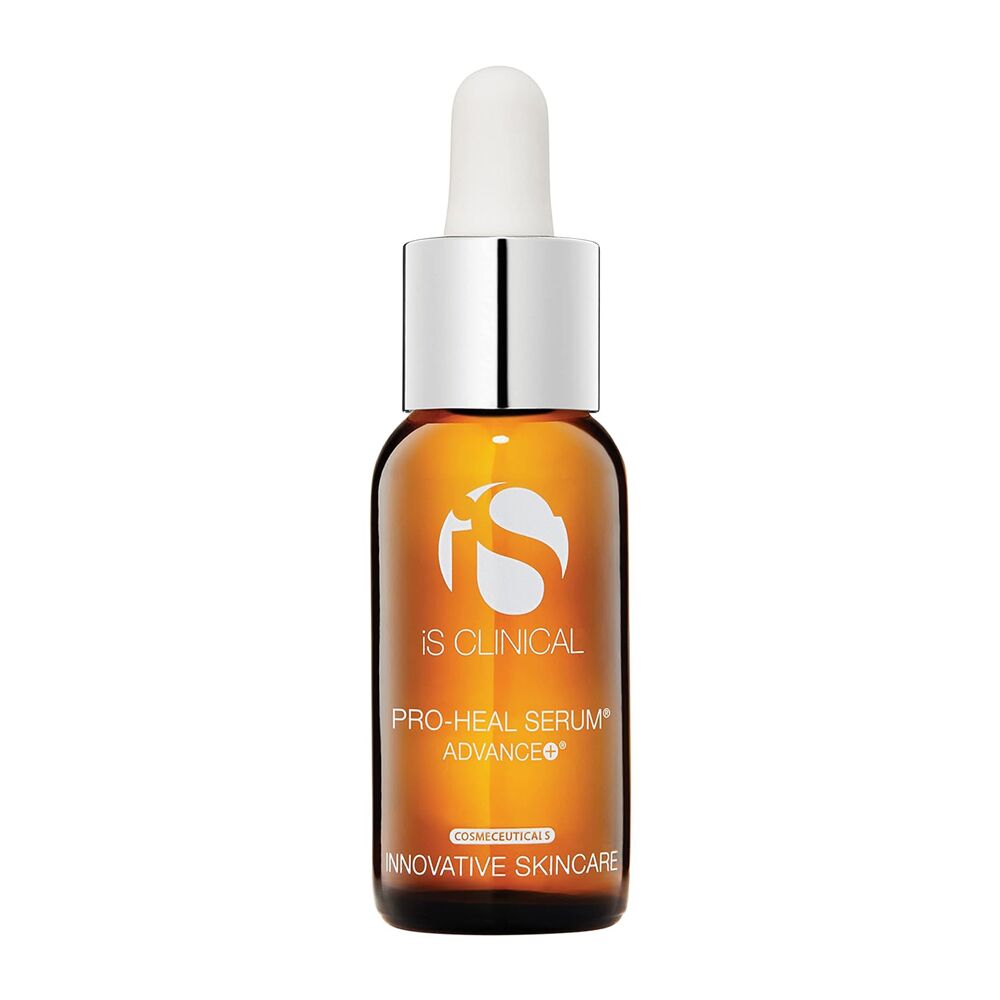
It’s all about simple, gentle formulas for the days and weeks after a procedure, especially when it comes to treatments that have longer recovery times like lasers. “The products are gentle and healing and should be fine for most skin types, but it’s always best to discuss your post-treatment plan with your doctor/professional to design what’s best for your skin,” says Strauser. Here’s what her ideal post-procedure skin-care routine looks like.
/
/
/
/